Приказивање постова са ознаком torte. Прикажи све постове

понедељак, 12. децембар 2011.

ROZEN TORTA (sa domaćim korama)


ROZEN TORTA


KORE

• 5 žumanaca, klasa S (65–70 g)
• 200 g kristal-šećera
• 20 g vanil šećera (2 kesice)
• oko 700 g mekog belog brašna (T-400), po potrebi
• soda bikarbona – na vrh noža
• 160 g putera, sobne temperature
• 200 ml mleka


U velikoj posudi kratko umutiti žumanca sa kristal-šećerom i vanil šećerom. Dodati puter i mutiti samo dok se sastojci ne sjedine. Zatim dodati oko 500 g brašna, sodu bikarbonu i mleko, pa ručno povezati masu.

Testo je u ovoj fazi lepljivo. Dodati još oko 100 g brašna i lagano ga dlanovima pripajati testu, uz nežno preklapanje. Testo se ne mesi kao hleb i ne zahteva snažno gnječenje. Cilj je da se dobije mekano, blago lepljivo testo koje se odvaja od ivica posude i formira jedinstvenu masu. Previše brašna daje tvrde i žilave kore.

Testo prebaciti na radnu površinu i postepeno dodavati još oko 100 g brašna. Testo treba da bude mekano, blago lepljivo, ali kompaktno. Iako može primiti i znatno više brašna, preporuka je da se zaustavite oko 700 g i procenite da li je potrebno dodati još sasvim malo.

Testo odmah podeliti na 8 jednakih delova, približno 160 g po komadu. Jufke držati na sobnoj temperaturi, na blago pobrašnjenoj podlozi, dok čekaju tanjenje.


RAZVIJANJE I PEĆENJE KORA

Iseći 8 papira za pečenje dimenzija približno 30 × 24 cm. Svaku jufku staviti na papir, blago pritisnuti dlanom da dobije pravougaoni oblik, a zatim razviti oklagijom.

Ako se oklagija lepi za testo, to je dobar znak. Povremeno lagano pobrašnjavati površinu kore i nastaviti sa tanjenjem. Testo treba da bude vrlo tanko, približno 0,5–1 mm. Kako se razvija, prelaziće ivice papira; višak iseći nožem i iskoristiti za popunjavanje delova gde nedostaje testo.

Koru zajedno sa papirom prebaciti na poleđinu pleha. Pre pečenja izbockati viljuškom oko 50 puta. Peći na 160 °C oko 6 minuta, na drugoj rešetki odozdo. Kore treba da ostanu svetle; blago tamnjenje dozvoljeno je samo na ivicama.

Pečene kore slagati jednu na drugu zajedno sa papirom za pečenje i pokriti krpom dok se ne pripremi fil.


FIL

• 300 g mlevenih oraha
• oko 20 kašika vrelog mleka (približno 300 ml, po potrebi)
• 250 g putera, sobne temperature
• 5 belanaca, klasa S
• 250 g šećera u prahu
• 20 g vanilin šećera (2 kesice)


Mlevene orahe postepeno popariti vrelim mlekom, dodajući ga kašiku po kašiku dok se ne dobije gusta, kompaktna masa. Količina mleka zavisi od svežine oraha.

Puter umutiti mikserom, pa dodati u orahe i kratko sjediniti. Posebno umutiti čvrst sneg od belanaca, zatim dodati šećer u prahu i vanilin šećer i još kratko mutiti. Sneg lagano umešati u smesu od oraha i putera, na najmanjoj brzini miksera ili ručno.


SLAGANJE I FAJTANJE KORA

Za fajtanje:
• malo mlakog mleka

Fil podeliti na 7 jednakih delova. Na poslužavnik postaviti prvu koru tako da je ravna strana okrenuta nadole. Koru blago poprskati ili premazati mlakim mlekom, zatim naneti jedan deo fila. Postupak ponavljati dok se ne utroše kore i fil. Poslednju, najlepšu koru postaviti ravnom stranom nagore.

Tortu prekriti papirom za pečenje, zatim staviti tacnu i opteretiti sa 2–3 litra mleka ili sličnim teretom. Držati u frižideru oko 12 sati da se torta izravna.

ROZEN GLAZURA


• 500 g šećera u prahu
• 2 belanca, sobne temperature
• 8 kašičica suncokretovog ulja
• 1–3 kapi crvene tečne prehrambene boje
• oko 5 kašičica limunovog soka

Belanca mutiti mikserom oko 1 minut, dok se ne zapene. Odvojiti jednu do dve kašike umućenih belanaca sa strane. U preostalu masu dodati polovinu šećera u prahu, sav limunov sok, ulje i prehrambenu boju, pa mutiti dok se ne ujednači.

Dodati ostatak šećera u prahu i po potrebi umešati sačuvani deo belanaca dok se ne dobije gusta, sjajna glazura koja se lagano razliva. Ako je glazura pregusta, dodati kašičicu do dve vrele vode.

Tortu izvaditi iz frižidera i ostaviti oko 3 sata na sobnoj temperaturi. Glazuru naneti širokim, glatkim nožem zagrejanim pod mlazom vrele vode. Površinu poravnati sigurnim potezima. Po potrebi, neravnine se mogu izravnati toplim vazduhom iz fena.

Tortu vratiti u frižider. Kada se glazura stegne, odseći neravne ivice i degustirati ih. :)

Torta je najbolja sutradan, ali ostaje odlična i nakon više dana u frižideru. Pogodna je i za zamrzavanje.


ROSEN TORTE


LAYERS

• 5 egg yolks
• 200 g granulated sugar
• 20 g vanilla sugar
• about 700 g all-purpose flour
• a pinch of baking soda
• 160 g butter, at room temperature
• 200 ml milk

Whisk the egg yolks, granulated sugar, and vanilla sugar with a mixer for one to two minutes. Add the butter and whisk just until incorporated. Add 500 g of flour, the baking soda, and the milk, and mix briefly, just until the dough comes together.

Set the mixer aside and continue working the dough by hand, adding about 100 g of flour. The dough will be sticky at this stage. It should be handled gently and not kneaded like bread dough. The goal is simply to bring it together into a soft mass.

Transfer the dough to a work surface and gradually sprinkle it with the remaining flour (about 100 g or less). Gently press the flour into the surface of the dough with the palms of your hands, folding it over itself. The dough should remain soft and slightly sticky, but compact. Adding too much flour will result in hard, dry layers.

Divide the dough into 8 equal pieces, each weighing about 160 g. Shaping the dough into a log and cutting it into discs makes this easier.

Cut out 8 sheets of baking paper measuring 24 × 30 cm. Roll out each piece of dough directly on the paper until it covers the entire surface. The dough should remain slightly sticky.

Place one disc of dough onto the baking paper and press it gently with your hands to form a small rectangle. Begin rolling it out with a rolling pin. If the rolling pin does not stick at all, too much flour has been added, but continue rolling. The baked layers will need extra time to soften once assembled, which is still acceptable.

If the dough is sticky, you are on the right track. Lightly dust the surface as needed while rolling. The dough is buttery and may extend beyond the edges of the paper. Trim any excess and transfer it to areas where the dough is thinner. Continue rolling and patching until the paper is fully covered.

Transfer the rolled layer, together with the paper, onto an upside-down baking tray.

Prick the surface of the layer about 50 times with a fork to prevent air bubbles during baking. Place the tray in the oven on a rack below the center.

Bake at 160 °C (no fan) for 6 minutes. If using two baking trays, rotate them so one is always cool. If placing dough onto a hot tray, the baking time will be slightly shorter (about 5 minutes), so close attention is required.

Stack the baked layers with the baking paper still attached, cover them with a clean kitchen towel, and let them rest while preparing the filling.


CREAMY WALNUT FILLING

• 300 g ground walnuts
• about 20 tablespoons hot milk
• 250 g butter, at room temperature
• 5 egg whites
• 250 g icing sugar
• 20 g vanilla sugar

Pour the hot milk over the ground walnuts, adding it gradually until a thick, creamy paste forms. The exact amount depends on the moisture content of the walnuts.

Whisk the butter for about one minute, then add it to the walnut mixture and mix until smooth. In a separate bowl, beat the egg whites to stiff peaks, gradually adding the icing sugar and vanilla sugar.

Gently fold the egg whites into the walnut mixture by hand until evenly incorporated.


ASSEMBLY AND SOFTENING OF THE LAYERS

• a small amount of warm milk

Divide the walnut filling into 7 equal portions. Place the first baked layer onto a large serving tray. Lightly sprinkle it with warm milk two or three times using your fingers or a spoon. Do not overdo it, as excess milk will make the layers soggy.

Spread one portion of the filling evenly over the layer. Place the next layer on top, sprinkle lightly with milk, and cover with filling. Repeat until all layers and filling are used. Finish with the final layer, placing it smooth side up.

Cover the torte with baking paper, place another tray on top, and weigh it down evenly with a moderate weight. Refrigerate for about 12 hours to allow the layers to soften and level.


PINK SUGAR ICING

• 500 g icing sugar
• 2 egg whites, at room temperature
• 8 teaspoons sunflower oil
• 1–3 drops red food coloring
• about 5 teaspoons lemon juice

Remove the torte from the refrigerator about 3 hours before glazing. Beat the egg whites until stiff peaks form. Set aside 2–3 tablespoons of the beaten whites.

Add half of the icing sugar, all of the lemon juice, the sunflower oil, and the food coloring, and whisk until smooth. Gradually add the remaining icing sugar, whisking until a thick, glossy icing forms. If the icing is too thick, add some of the reserved egg whites.

Using a wide, smooth knife warmed under hot running water, spread the icing evenly over the surface. It is better to have extra icing than not enough.

Return the torte to the refrigerator for a few hours until the icing sets. Trim the uneven edges, then cut the torte into rectangular slices.

недеља, 6. март 2011.

TORTA MEDENO SRCE


TORTA MEDENO SRCE


Biskvit

  • 180 g putera, sobne temperature

  • 180 g kristal šećera

  • 8 žumanaca

  • 250 g mlevenih oraha

  • 4 mlevena keksa tipa Petit Beurre (oko 30 g)

  • 3–4 pune kašičice kvalitetnog cimeta 

  • 12 g praška za pecivo

  • 2 vanil šećera

  • 180 g otopljene čokolade za kuvanje

  • Šam od 8 belanaca

  • Prstohvat soli


Sloj od džema

  • 380 g džema od kajsije

  • 5–7 kašika vode


Čokoladna glazura

  • 200 g čokolade za kuvanje

  • 70 g putera

  • 1 kašika šećera

  • 1 kašika mleka

  • 1 kašika ulja

Biskvit

U posebnoj posudi sjedinite sve suve sastojke: mlevene orahe, mleveni keks, vanil šećer, prašak za pecivo i cimet.

Rernu zagrejte na 170 °C (bez ventilatora).

Mikserom umutite puter i šećer dok ne postanu penasti. Dodajte žumanca i nastavite mućenje dok se masa potpuno ne poveže. Zatim dodajte suve sastojke i kratko mutite, pa sipajte otopljenu čokoladu i mutite dok ne dobijete jednoličnu smesu.

Belanca sa prstohvatom soli umutite u čvrst šam. Šam dodajte u smesu postepeno, po 2–3 kašike, uz mućenje na najmanjoj brzini, samo da se masa ujednači. Mešajte uvek u istom smeru, kako bi smesa ostala vazdušasta.

Dno pleha sa pomičnim dnom prečnika 25 cm obložite papirom za pečenje, a obod premažite puterom. Sipajte smesu u pleh i poravnajte.

Pecite na 170 °C oko 60 minuta. Nakon pečenja ostavite tortu da se ohladi. Skinite obruč, izvrnite tortu naopačke na tacnu i preko papira (koji ne skidate) stavite veću tacnu sa blagim opterećenjem (npr. dve litre mleka), kako bi se torta izravnala. Ostavite tako oko 60 minuta.


Sloj od džema

U manjoj šerpici zagrejte džem sa vodom dok ne provri. Skinite papir sa torte i pažljivo je prerežite horizontalno na dva jednaka dela. Polovinu džema premažite preko donje polovine, zatim tortu ponovo spojite, a ostatkom džema premažite celu tortu.

Obratite pažnju da uklonite eventualne komadiće voća iz džema, jer mogu smetati glazuri. Tortu sa tacnom stavite u zamrzivač na 15 minuta.


Glazura

Na pari otopite čokoladu, šećer, puter, mleko i ulje, mešajući dok ne dobijete glatku i sjajnu glazuru. Širokim nožem, brzim i sigurnim potezima, prelijte glazuru preko ohlađene torte.

Ako vam ostane malo čokolade, sipajte je u čvrstu kesicu, sačekajte da se malo prohladi ali da ostane tečna, pa odsecite vrh i ispišite dekoraciju (npr. Sacher ili neko ime) po torti.


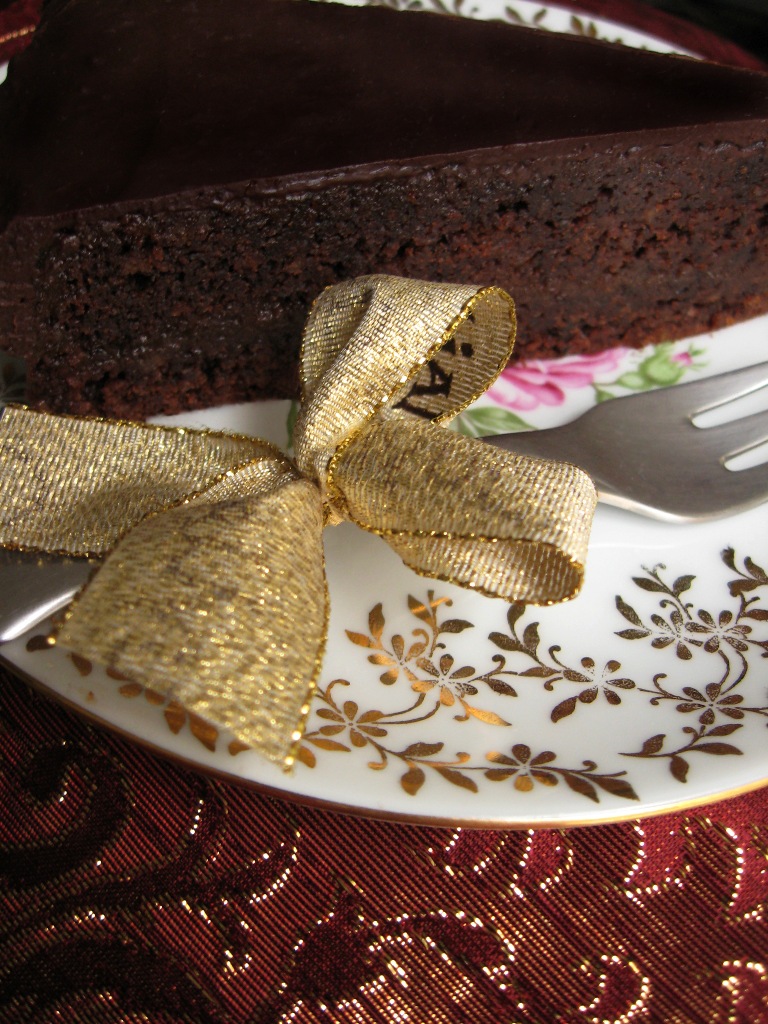
SACHER TORTE

Ingredients

Cake

  • 180 g butter, room temperature

  • 180 g sugar

  • 8 egg yolks

  • 250 g ground walnuts

  • 4 ground Petit Beurre biscuits or 30 g butter cookies

  • 3–4 full teaspoons ground cinnamon

  • 12 g baking powder

  • 1 tablespoon vanilla sugar

  • 180 g dark unsweetened cooking chocolate, melted

  • 8 egg whites

  • A pinch of salt

Apricot Layer

  • 380 g apricot jam

  • 7 tablespoons water

Chocolate Glaze

  • 200 g dark unsweetened cooking chocolate

  • 70 g butter

  • 1 tablespoon sugar

  • 1 tablespoon milk

  • 1 tablespoon oil


Combine all dry ingredients in a bowl: ground walnuts, ground biscuits, vanilla sugar, baking powder, and cinnamon.

Preheat the oven to 170°C (no fan).

Using an electric mixer, beat the butter and sugar for about 1 minute, until creamy. Add the egg yolks and continue mixing for another 2–3 minutes, until fully incorporated.

Add the dry ingredients and mix briefly. Pour in the melted chocolate and mix until the batter is smooth and evenly colored.

Whip the egg whites with a pinch of salt until stiff peaks form. Gently fold the egg whites into the chocolate mixture, a few tablespoons at a time, mixing on the lowest speed or by hand, always in the same direction, just until combined.

Line the bottom of a 25 cm round springform pan with baking paper and butter the sides. Pour the batter into the pan and level the surface.

Bake for 60 minutes, then remove from the oven and allow to cool.

Release the sides of the pan, invert the cake onto a tray, and remove the pan bottom, leaving the baking paper on top. Place another tray over the cake and add a light weight to gently level it. Let cool completely.


Apricot Layer

Heat the apricot jam and water in a small saucepan until it comes to a boil. Remove from heat.

Remove the baking paper from the cake and slice it horizontally into two equal layers. Spread half of the jam over the bottom layer. Place the top layer back on and pour the remaining jam over the entire cake, spreading evenly.

Place the cake (on its tray) in the freezer for 15 minutes.


Chocolate Glaze

Melt the chocolate, butter, sugar, milk, and oil in a double boiler until smooth and glossy. Pour the chocolate over the chilled cake and, using a wide knife or spatula, quickly spread it evenly over the top and sides.


уторак, 1. март 2011.

CARROT CAKE - AMERIČKA TORTA OD ŠARGAREPE


CARROT CAKE

okrugli pleh sa pomičnim dnom, prečnika 25 cm


BISKVIT

  • 4 jaja

  • 300 g šećera

  • 350 ml suncokretovog ulja

I grupa

  • 500 g sitno rendane, očišćene šargarepe (oko 700 g neočišćene)

  • Rendana kora 1 limuna

  • Rendana kora 1 pomorandže

  • 100 g suvog grožđa

  • 150 g oraha, krupno seckanih

  • 340 g sitno seckanog i dobro oceđenog ananasa iz konzerve

  • 2 kašičice arome vanile

II grupa

  • 450 g belog brašna (tip 400)

  • ½ kašičice soli

  • 12 g praška za pecivo

  • 1 ravna kašičica sode bikarbone

  • 2 kašičice cimeta

  • 1 kašičica rendanog muskatnog oraščića


KREM 

  • 125 g putera, sobne temperature

  • 250 g mlečnog namaza (krem maslac – Kremsi, Philadelphia, Vajkrem i sl.)

  • 350 g prah šećera

  • 300 g Imlek Moja kravica sitan sir ili Ella ili ABC sir

  • 3 kašičice limunovog soka


DEKORACIJA

Šargarepice (12 komada)

  • 100 g ratluka

  • oko 100 g prah šećera

  • Narandžasta i zelena tečna boja za kolače

Ogradica

  • 250 g grubo seckanih oraha (za oblaganje stranica)


PRIPREMA

Mikserom kratko umutite cela jaja sa šećerom. U tankom mlazu dodajte ulje i nastavite mućenje još oko 1 minut, dok se masa ne sjedini.

Dodajte sastojke I grupe i mutite kratko, samo dok se smesa ne ujednači. Posebno sjedinite sve sastojke II grupe, pa ih postepeno umešajte u smesu.

Dno pleha sa pomičnim dnom (25 cm) obložite papirom za pečenje, a stranice premažite puterom. Sipajte smesu u pleh.

Pecite na 180 °C (bez ventilatora) ukupno 120 minuta.
Nakon oko 40 minuta pečenja, tortu prekrijte aluminijumskom folijom jer počinje da tamni.
Posle 2 sata pečenja smanjite temperaturu na 150 °C i pecite još 30 minuta.

Torta će tokom pečenja napuknuti, ali to nije važno jer se kasnije okreće.

Kada je pečena, ostavite je da se kratko ohladi, zatim skinite obruč i pažljivo je izvrnite naopačke na poslužavnik obložen papirom za pečenje. Preko torte stavite još jedan poslužavnik i lagano je pritisnite nečim težim (npr. litarskim pakovanjem mleka) kako bi se izravnala. Ostavite da se potpuno ohladi.


KREMA

Dok se torta peče, ručno ili vrlo kratko mikserom sjedinite sve sastojke za kremu. Nemojte je previše mutiti jer se razređuje. Gotovu kremu odložite u frižider da se stegne.


FILOVANJE

Skinite papir sa torte i presecite je vodoravno na dva jednaka dela.
Odvojte 3 kašike kreme za obod, a ostatak podelite na dva jednaka dela.

Nafilujte sredinu i vrh torte. Sačuvanom kremom premažite obod.
Grubo seckane orahe utisnite uz stranice torte i blagim pritiskom formirajte rub na gornjoj ivici, koji će sprečiti da krema curi dok se ne stegne.


DEKORATIVNE ŠARGAREPICE

Ratluk umesite sa prah šećerom i narandžastom bojom dok ne dobijete masu koja se ne lepi za ruke i ima konzistenciju plastelina.

Za peteljke odvojite sasvim mali deo mase (oko 3 × 3 mm), obojite ga zelenom bojom i po potrebi dodajte još malo prah šećera.

Narandžastu masu oblikujte u valjak i podelite na 12 delova. Od svakog dela formirajte lopticu, pa između dlanova oblikujte šargarepu. Tupom stranom noža napravite blage useke. Čačkalicom ili štapićem napravite rupicu na vrhu i umetnite zelenu peteljku.

Šargarepice odložite na papir za pečenje posut prah šećerom. Neposredno pre stavljanja na tortu, vlažnim prstom ih blago prebrišite da dobiju sjaj.

Ako tortu pravite 1–2 dana unapred, šargarepice će same dobiti blagi sjaj do sutradan.


Napomena:
Krema može vrlo blago da curi preko oraha na ogradici, ali nakon 1–2 sata hlađenja potpuno se stegne i torta izgleda savršeno.


CARROT CAKE

25 cm round springform pan


Ingredients

Cake

  • 4 eggs

  • 300 g sugar

  • 350 ml sunflower oil

Group I

  • 500 g finely grated carrots (about 700 g unpeeled)

  • Finely grated zest of 1 lemon

  • Finely grated zest of 1 orange

  • 100 g raisins

  • 150 g walnuts, roughly chopped

  • 340 g canned pineapple, well drained and finely chopped

  • 2 teaspoons vanilla extract

Group II

  • 450 g all-purpose flour

  • ½ teaspoon salt

  • 12 g baking powder

  • 1 level teaspoon baking soda

  • 2 teaspoons ground cinnamon

  • 1 teaspoon ground nutmeg


Cream Cheese Frosting

  • 125 g butter, room temperature

  • 550 g cream cheese

  • 350 g powdered sugar

  • 3 teaspoons lemon juice


Decoration

Carrots

  • 100 g Turkish delight

  • 100 g (or more) powdered sugar

  • Orange and green liquid food coloring

Sides

  • 250 g walnuts, roughly chopped


Instructions

Using an electric mixer, beat the eggs and sugar for about 30 seconds, just until combined. Gradually add the oil and continue mixing for another minute.

Add all ingredients from Group I to the egg mixture and mix until evenly combined.

In a separate bowl, combine all ingredients from Group II, except the flour. Add this mixture to the batter and mix briefly. Gradually add the flour, mixing just until a smooth and even batter forms.

Line the bottom of a 25 cm springform pan with baking paper and butter the sides. Pour the batter into the pan.

Bake at 180°C (no fan) for 120 minutes. Halfway through baking, cover the cake loosely with baking paper to prevent excessive browning.

Remove from the oven and let cool for about 10 minutes. Release the cake from the pan, turn it upside down, and place it on a serving tray. Set another tray on top with a light weight (e.g. a carton of milk) to gently flatten the cake. Allow to cool completely.

Once fully cooled, remove the baking paper and cut the cake horizontally into two equal layers.


Cream Cheese Frosting

While the cake is cooling, mix all frosting ingredients until smooth. Do not overmix. Refrigerate until ready to use.


Carrot Decorations

Using your fingertips, knead the Turkish delight with about half of the powdered sugar and a few drops of orange food coloring. Continue kneading and adding powdered sugar until you get a smooth, elastic dough that no longer sticks to your hands.

Wrap the dough in plastic wrap and refrigerate briefly.

Pinch off small pieces of dough, roll into balls, then shape them between your palms into carrot forms. Make small indentations with a knife. Using a toothpick, create a hole at the top and insert a small green stem made from colored dough.

Just before placing the carrots on the cake, lightly brush them with a damp finger (dipped in water) to give them a glossy finish.


среда, 7. јул 2010.

ESTERHAZI TORTA


ESTERHAZI TORTA


KORE

12 belanaca (od većih jaja)
250 g kristal-šećera + 2 kesice vanil-šećera
250 g mlevenih, pečenih lešnika
80 g mekog belog brašna
malo putera za premazivanje papira za pečenje (oko 20 g)

FIL

12 žumanaca
250 g kristal-šećera + 2 kesice vanil-šećera
300 g putera, sobne temperature
150 g mlevenih, pečenih lešnika*

PREMAZ

oko 2 kašike džema od kajsija
1 kašičica vode (ako je džem gust)

BELA GLAZURA

250–300 g prah-šećera
2 kašike ulja
3–4 kašičice limunovog soka
1 belance, sobne temperature

DEKORACIJA

30–50 g čokolade za kuvanje (bolje više nego manje)
1 kašičica ulja
100 g krupno seckanih, pečenih lešnika


LEŠNICI – SAVETI I PEČENJE

Lešnike, bilo da su sirovi ili već pečeni, obavezno treba dodatno ispeći ili dopeći u rerni, jer se njihov puni miris i ukus oslobađaju tek tokom pečenja. Nepečene lešnike rasporedite u pleh, pa tek tada uključite rernu na 170 stepeni. Pecite dok opna ne počne da tamni i dok se u kuhinji ne oseti izražena aroma lešnika. Ako počinjete od hladne rerne, potrebno je oko 25 minuta. Sa već pečenim lešnicima postupak je isti, ali je vreme kraće. Opna treba da potamni gotovo do crne boje, dok unutrašnjost dobija svetlu, karamel nijansu.

Obložite dublju posudu starom krpom koju planirate da bacite, pa u nju sipajte vrele lešnike. Uvrnite krajeve krpe i snažno trljajte lešnike dok se ljuspice ne odvoje. Uklonite opnu i ostavite lešnike da se potpuno ohlade.

* Za ovaj recept potrebno je 500 g sirovih lešnika. Nakon pečenja i ljuštenja uvek ostane koji gram manje. Odmah odvojim 100 g koji će biti za dekoraciju oko torte, bilo da ih krupni  iseckam ili stavim u kesu i tučkom za meso malo usitnim. Ostatak sameljem: 250 g ide za kore, a preostala količina (nešto manje od 150 g) za fil.


KORE

Mikserom umutite belanca u polučvrst sneg, zatim postepeno dodajte kristal-šećer i vanil-šećer i nastavite mućenje dok ne dobijete čvrst, sjajan šam. U posebnoj posudi pomešajte mlevene lešnike i brašno, pa ih u nekoliko navrata, uz malu brzinu miksera, umešajte u šam, tek toliko da se smesa ujednači.

Pripremite šest papira za pečenje  i na svakom flomasterom nacrtajte krug prečnika 22 cm.

Izvadite pleh iz rerne i zagrejte rernu na 170 stepeni (bez ventilatora) i stavite paipir za pečenje tako da je nacrtani krug okrenut na dole. Premažite krug tankim slojem putera. Na svaki krug rasporedite oko četiri pune kašike smese za kore i blago poravnajte.

Pecite svaku koru 13–14 minuta. Pečene kore, zajedno sa papirom, prebacujte na ravnu površinu obloženu platnom (npr. stolnjakom) i ostavite da se hlade jednu do druge. Dok se jedna kora peče, smesu za kore vratite u frižider. Ako imate samo jedan pleh, pustite da se blago ohladi između pečenja. Kore hladite bez odvajanja od papira.

Naravno, ako ste raspoloženi možete za svaku pojedinačnu koru mutiti smesu. Postupak je duži ali će kore biti vazdušastije.


    FIL

    Mikserom kratko umutite žumanca sa šećerom i vanil-šećerom, samo dok ne pobele. Kuvajte na pari tako da posuda sa jajima dobro naleže na šerpu sa vodom (2–3 prsta vode). Tek kada voda provri, stavite posudu sa jajima i kuvajte 14–15 minuta uz povremeno mešanje — u početku ređe, a kasnije češće. Ostavite fil da se potpuno ohladi.

    Ohlađeni fil kratko umutite mikserom. Posebno umutite puter sobne temperature, pa ga sjedinite sa filom. Dodajte mlevene lešnike i mutite još oko minut, dok fil ne postane lagan i vazdušast.


      FILOVANJE, NIVELISANJE I DŽEM

      Odvojte dve kašike fila za premazivanje ivica torte. Izaberite najlepšu i najravniju koru i ostavite je za vrh. Ostatak fila podelite na pet jednakih delova.

      Poslužavnik obložite papirom za pečenje i na njemu slažite tortu. Skinite papir sa prve kore i filujte sloj po sloj. Poslednja, gornja kora treba da bude postavljena ravnom stranom nagore i ne premazuje se filom.

      Preko pete kore stavite papir za pečenje, zatim još jedan poslužavnik i lagani teret (npr. dve tetrapak kutije mleka ili manju šerpu sa vodom) kako bi se torta poravnala. Držite u frižideru oko 30 minuta, zatim premažite ivice torte sačuvanim filom.

      Gornju koru premažite tankim slojem toplog džema od kajsija, razblaženog sa kašičicom vode i zagrejanog u maloj šerpici. Džem sprečava upijanje bele glazure i daje torti prepoznatljivu, blago kiselkastu notu. Po potrebi, uklonite komadiće voća iz džema ili džem procedite kroz cediljku dok je još vruć. Vratite tortu u frižider na 30–60 minuta, da se džem stegne.


      BELA GLAZURA

      Pre nego što počnete sa glazurom, otopite čokoladu za šaru i pripremite drveni štapić za dekoraciju, kao i seckane lešnike za obod.

      Umutite belance sobne temperature u čvrst sneg. Odvojte četvrtinu snega sa strane — ponekad je belance veće nego što je potrebno. U preostali sneg postepeno dodajte prah-šećer, limunov sok i ulje, muteći mikserom dok ne dobijete gust, gladak krem. Po potrebi dodajte još šećera ili malo sačuvanog snega. Glazura treba da bude maziva, ali ne previše tečna.

      Širokim nožem, umočenim u vruću vodu, brzo premažite tortu. Neravnine se mogu popraviti vrućim vazduhom iz fena za kosu. Dok je glazura još mekana, odmah nanesite čokoladnu šaru.

      Belance se može zameniti sa oko četiri kašike vrele vode, ali belance daje lepšu belinu i strukturu glazure.


      ČOKOLADNA ŠARA

      Otopite čokoladu sa uljem na pari ili tihoj vatri. Sipajte je u improvizovani špric od deblje kese. Povucite linije ili krugove po glazuri, zatim drvenim štapićem ili tupom ivicom noža povlačite linije pod uglom od 45 stepeni — jednu nadole, drugu nagore. Krupno mlevene lešnike rukom utisnite uz obod torte, čime ćete ujedno sprečiti da glazura curi.


      Esterhazi tortu je najbolje napraviti najmanje dva dana pre serviranja, kako bi se ukusi potpuno proželi. Vremenom postaje sve lepša, a ono poslednje parče uvek je najfinije. Ovo nije torta za žurbu — odvojte jedno popodne i uživajte u pripremi ove klasične poslastičarske raskoši.


        ESTERHAZY TORTE


        HAZELNUT SPONGE LAYERS

        12 egg whites
        250 g granulated sugar
        20 g vanilla sugar
        250 g ground hazelnuts
        80 g flour

        HAZELNUT CREAM

        12 egg yolks
        250 g granulated sugar
        20 g vanilla sugar
        300 g butter, at room temperature
        150 g ground hazelnuts

        APRICOT JAM GLAZE

        About 2 tablespoons apricot jam
        1 teaspoon water

        WHITE ICING

        300–400 g powdered sugar
        2 teaspoons sunflower oil
        3–4 teaspoons lemon juice
        about 4 tablespoons hot water

        CHOCOLATE DECORATION

        50 g dark chocolate
        1 teaspoon oil
        100 g roughly chopped hazelnuts


        HAZELNUTS

        Place the hazelnuts on an oven tray in a cold oven, then turn the temperature to 170–180°C. Bake until a rich aroma fills the kitchen and the skins darken to deep brown, while the nuts themselves turn a light caramel color. This may take 15–25 minutes, so keep an eye on them and decide when they are ready.

        Even if the hazelnuts are already roasted, this step is essential, as it fully develops their flavor. Almonds should remain pale, but hazelnuts need to be well roasted to release their aroma. Line a deep bowl with an old kitchen towel that you plan to discard, then pour the hot hazelnuts into it. Gather the ends of the towel and rub the hazelnuts vigorously until the skins loosen and come off. Remove the skins and allow the hazelnuts to cool completely.

        Set aside 100 g and roughly chop them for decorating the sides of the cake. Grind the remaining hazelnuts. A nut grinder works best, as a food processor may turn them into a paste. If using a food processor, pulse in short intervals so the nuts remain powdery rather than creamy. Divide the ground hazelnuts into two portions: 250 g for the layers and 150 g for the filling.


        HAZELNUT SPONGE LAYERS

        Using an electric mixer, beat the egg whites until stiff, gradually adding the granulated sugar and vanilla sugar. Continue beating for about 5 minutes, until firm peaks form.

        Reduce the mixer speed to the lowest setting and gently fold in the ground hazelnuts mixed with the flour.

        Cut baking paper into squares and draw a 25 cm circle on each sheet. Turn the paper over so the markings do not transfer to the sponge. Spoon one-sixth of the mixture evenly inside the circle. Place the remaining batter in the refrigerator while each layer is baking.

        Place the paper with the sponge onto a oven tray and bake in a preheated oven at 160°C (no fan) for about 14 minutes. The layers will remain soft, which is exactly how they should be, your finger should not stick when lightly touched.

        Remove each layer together with the baking paper and place it on a flat surface to cool. Repeat with the remaining five layers, always using a cooled tray.

        If you have a 25 cm springform pan with a removable base, you may cut the baking paper to fit the bottom and bake the layers directly in the pan. Be sure to cool the pan completely before adding batter for the next layer. Lay all baked layers side by side to cool.


        HAZELNUT CREAM

        Prepare the cream in a double boiler. If you do not have one, place a smaller pot snugly inside a larger pot with about 2–3 cm of water. Bring the water to a boil.

        In the smaller pot, beat the egg yolks and sugar with an electric mixer for about 30 seconds. Place the pot over the boiling water and cook for 14–15 minutes, stirring every 2–3 minutes at first and constantly toward the end, scraping the sides and bottom.

        Remove from heat and allow the mixture to cool completely. Beat the cooled custard briefly, then add the butter (previously beaten until creamy at room temperature). Mix until fully combined, then add the ground hazelnuts and beat for another minute until light and smooth.

        Set aside 2 tablespoons of the cream for finishing the sides of the cake. Divide the remaining cream evenly into five portions.


        ASSEMBLY

        Line a serving tray with baking paper. Choose the thickest and most even sponge layer for the top.

        Place the first layer on the tray and remove the baking paper. Spread one portion of the cream evenly over the surface. Top with the next layer, remove the paper, and repeat until all layers are assembled. Place the final layer on top with the smooth side facing upward.

        Cover the cake with baking paper, gently press to level it, then place a tray on top and weigh it down with something heavy (such as a pot filled with water). Refrigerate for 30 minutes to allow the layers to settle evenly.


        APRICOT JAM GLAZE

        Heat the apricot jam with the water until smooth. Remove the top baking paper and spread a very thin layer of jam over the cake—just enough to seal the surface. Return the cake to the refrigerator for 30 minutes to allow the glaze to set.

        After chilling, spread the reserved cream evenly around the sides of the cake.


        WHITE ICING

        In a bowl, mix the powdered sugar, oil, and lemon juice by hand, adding hot water teaspoon by teaspoon until the icing is smooth and creamy but not runny. Mix vigorously for several minutes. 

        Using a large knife dipped in hot water, quickly spread the icing over the apricot-glazed top only. You will need about 250–300 g of powdered sugar, but it is best to prepare more, as once you begin spreading, you cannot stop and remix. Any unevenness can be smoothed with a hair dryer set on warm.


        DECORATION

        Before icing the cake, prepare the chocolate, as it must be applied while the icing is still soft. Melt the chocolate with the oil and transfer it to a piping bag or a sturdy plastic bag with the corner snipped off.

        Pipe concentric circles onto the icing. Using a wooden skewer or the blunt edge of a knife, draw lines through the circles at a 45-degree angle, alternating directions to create the classic Esterházy pattern.

        Press the chopped hazelnuts around the sides of the cake.

        Refrigerate the torte for at least 24 hours before serving. This is a cake that improves with time—we often enjoy it over the course of a full week.